
New River Epoxy Pros
Concrete Crack Repair in New River, AZ
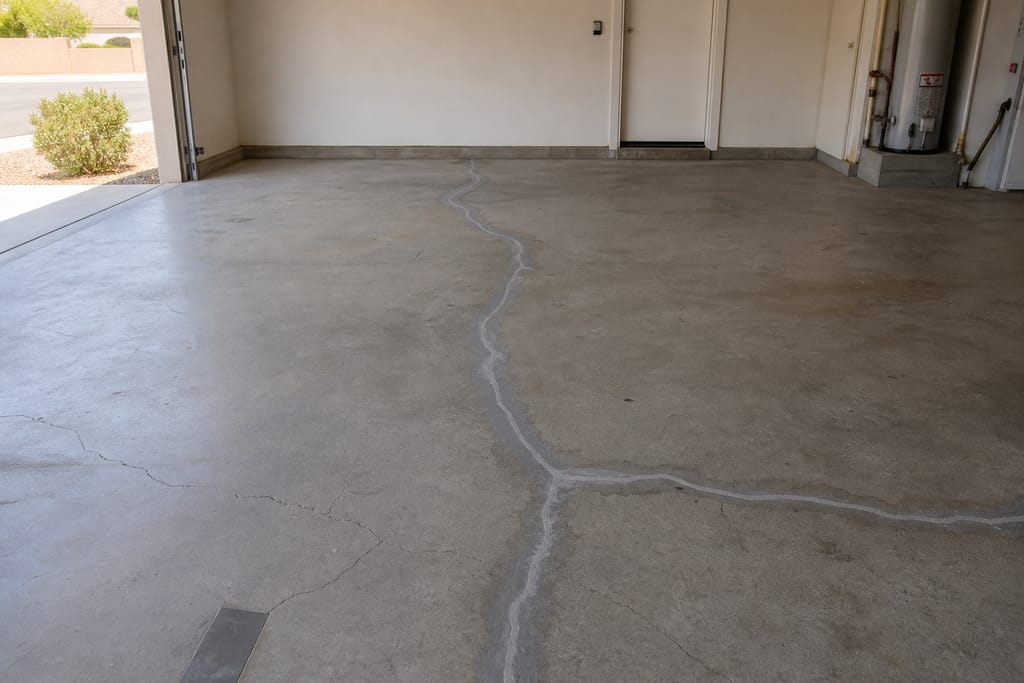
Concrete crack repair in New River, AZ before epoxy or polyaspartic coating. Free estimates, flexible fillers built for desert slab movement.
- 15+ Years local experience
- 500+ Projects completed
- Licensed & Insured
Serving New River and nearby communities.
Cracked concrete in New River rarely stays small. Summer slab temperatures swing more than a hundred degrees between a July afternoon and a January night, and that expansion-contraction cycle keeps pushing hairline cracks wider year after year. New River Epoxy Pros repairs cracks before they undermine a coating job, using fillers chosen for how they'll move with the slab rather than fight it.
A crack filled with the wrong material just reopens under the first hot summer. Getting the repair right the first time is what keeps a new epoxy or polyaspartic floor from showing that same line a year later.
What's included
What's included with Concrete Crack Repair
Typically included: crack measurement and classification, debris removal, crack widening where needed, filler injection, surface leveling, and final sealing.
Optional: color-matched sealant for exposed patio or pool deck cracks, follow-up moisture testing on garage slabs.
Customer prep: clear the area around the cracked section and move vehicles or furniture off the slab before the crew arrives.
Want a clearer scope?
Get a Free EstimateHow it works
How our Concrete Crack Repair process works
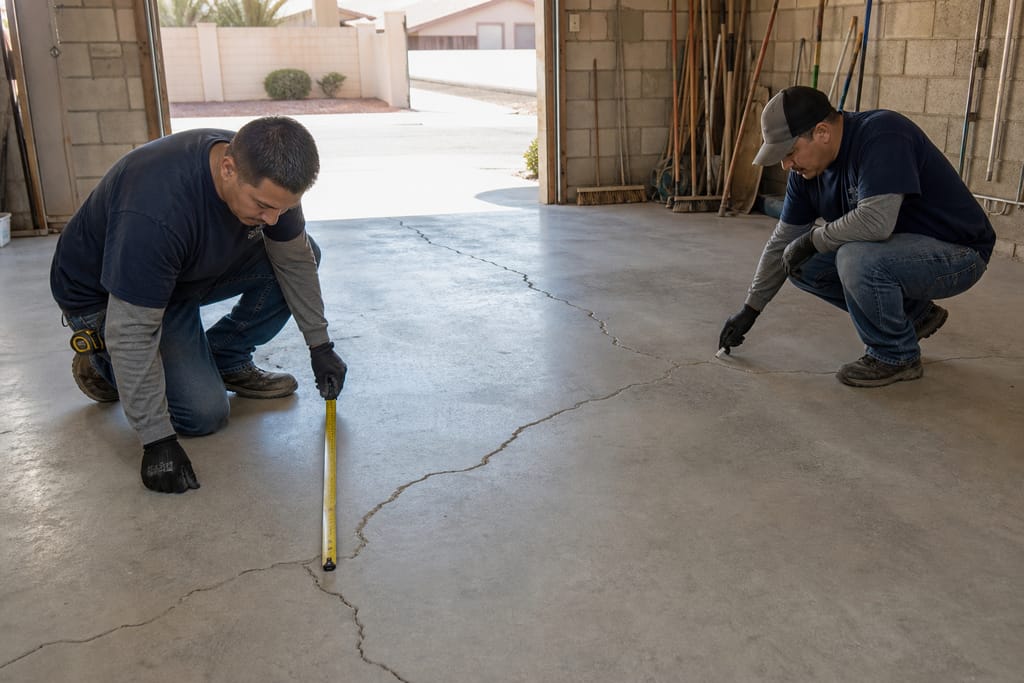 Step 1
Crack Assessment
Cracks are measured and classified to determine the proper repair method.
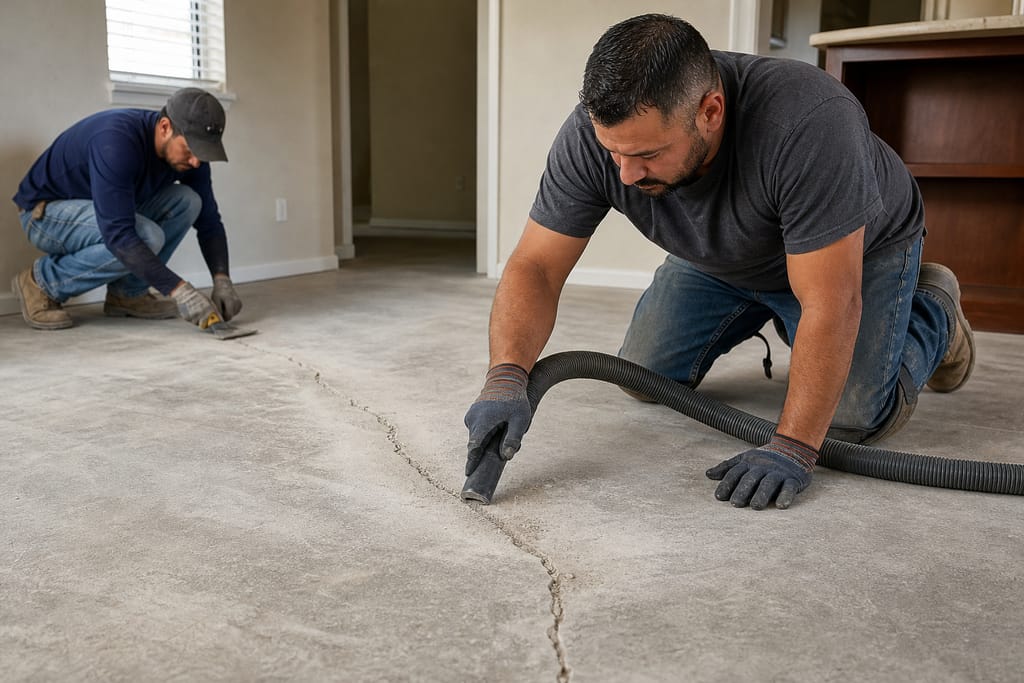 Step 2
Debris Removal
Loose material and dust are cleared from the crack before repair begins.
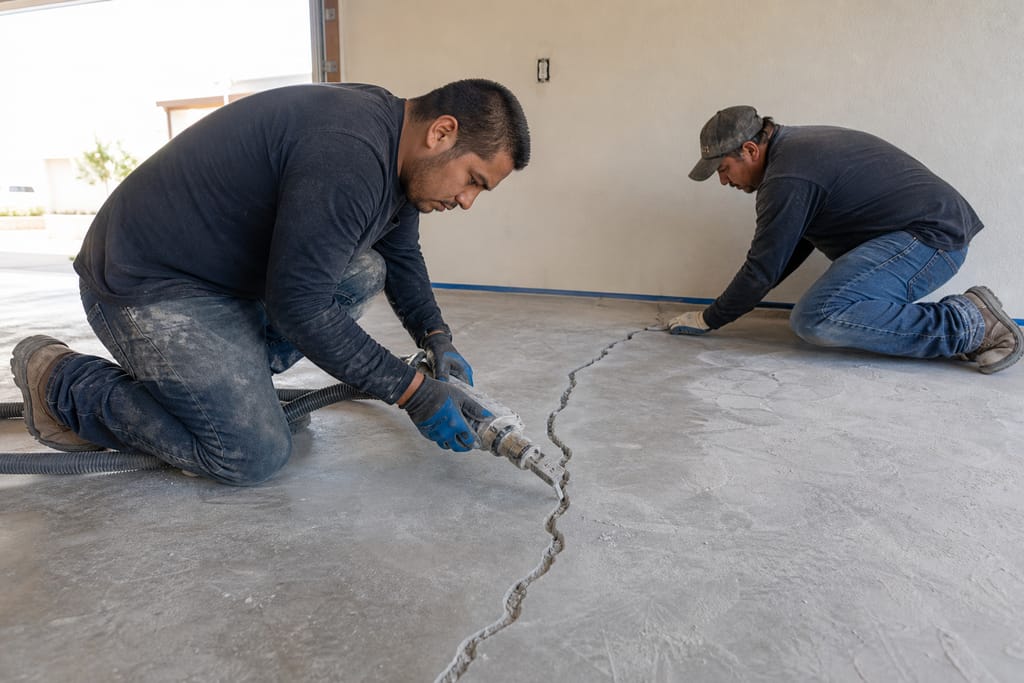 Step 3
Crack Widening
Cracks are slightly widened to allow repair material to bond effectively.
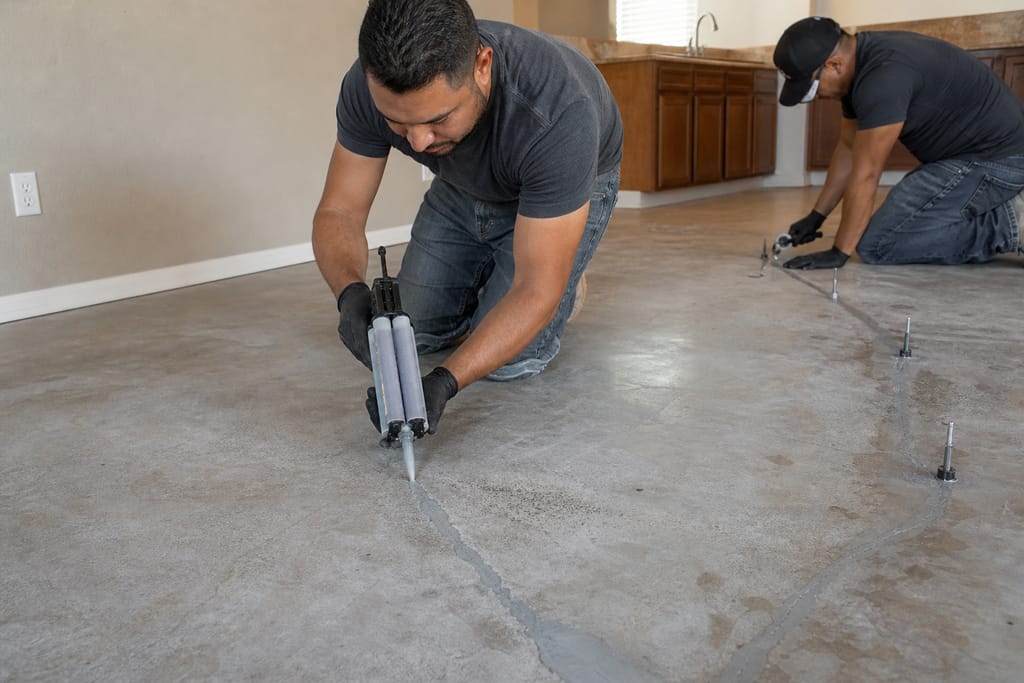 Step 4
Filler Injection
A repair compound is injected or poured into the crack to fill the void.
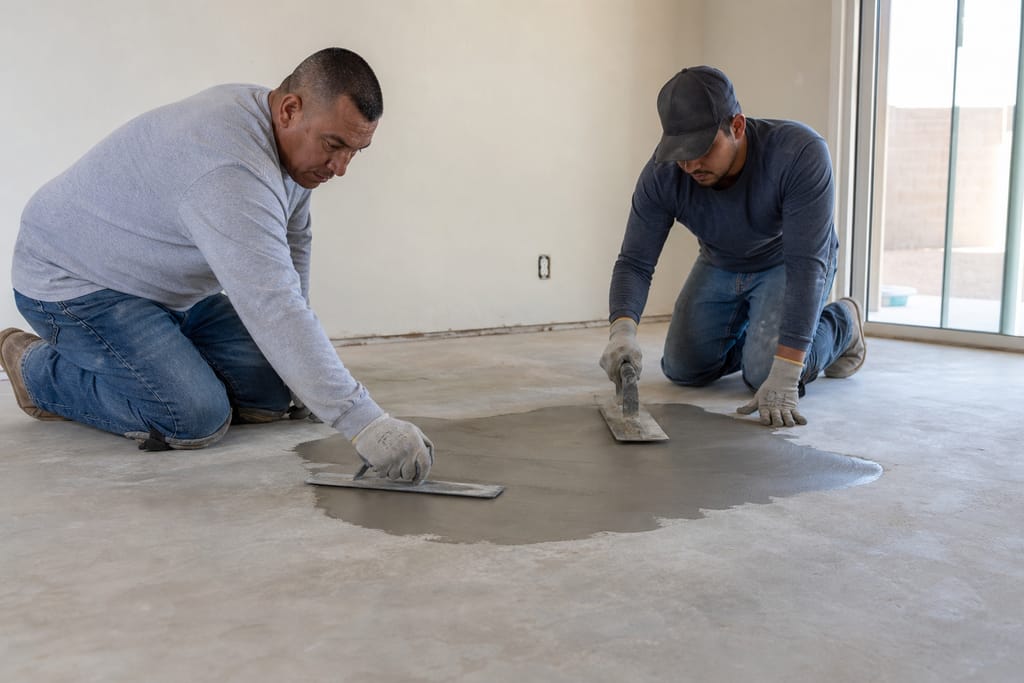 Step 5
Surface Leveling
The repaired area is leveled flush with the surrounding concrete surface.
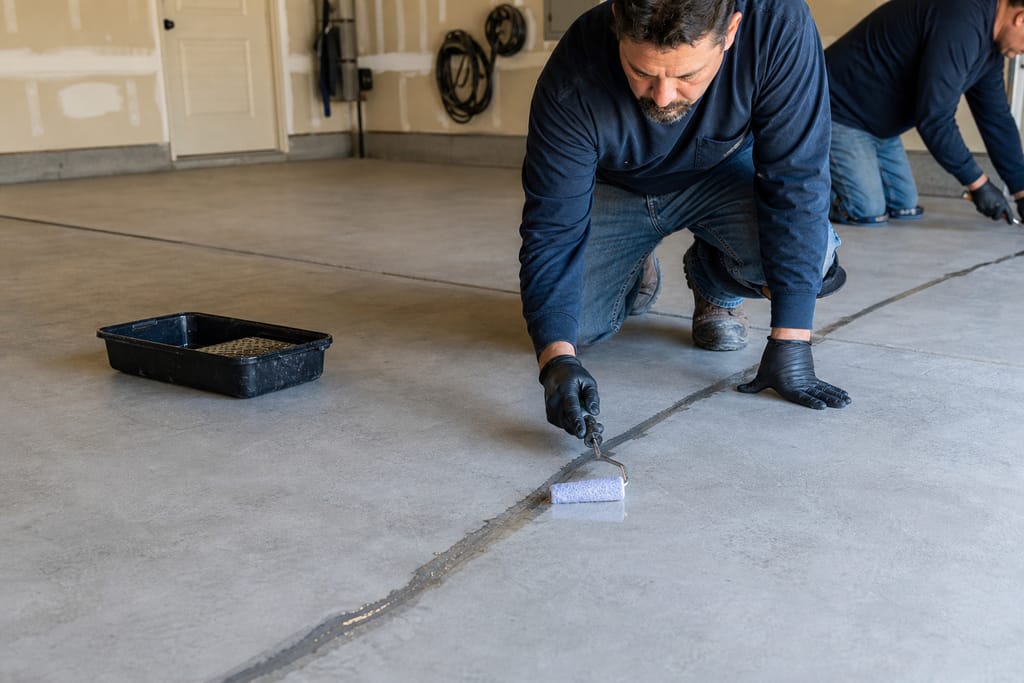 Step 6
Final Sealing
A sealant is applied over the repair to prevent moisture intrusion.
Materials
Materials and methods for Concrete Crack Repair
New River's heat swings call for fillers that flex, not just fill.
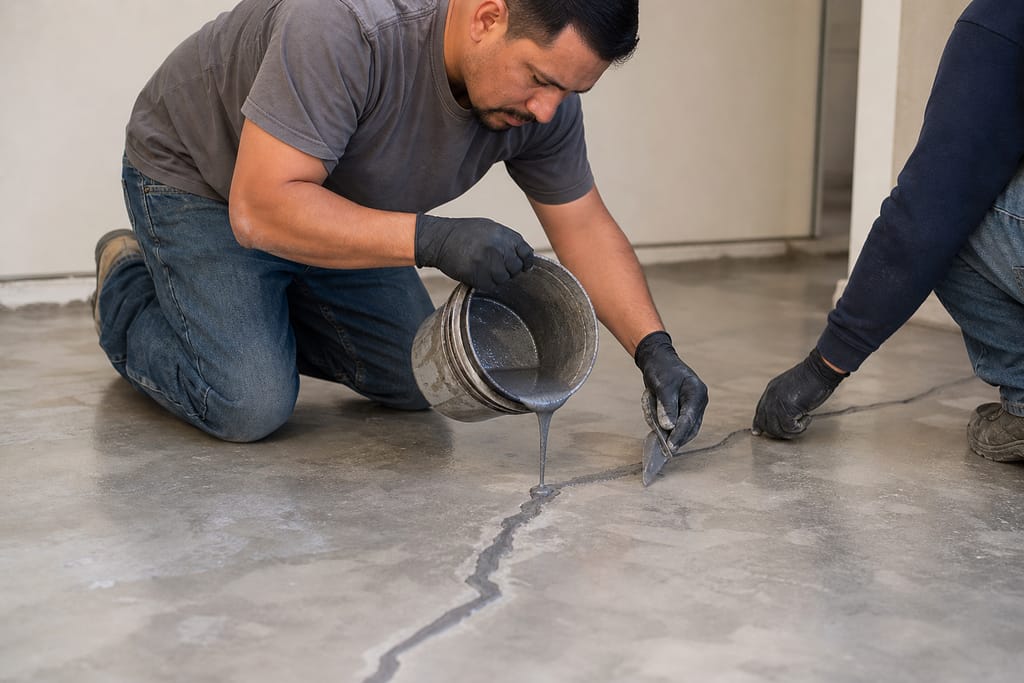
Epoxy Crack Filler
A rigid epoxy filler bonds tightly to restore structural integrity to cracks, best for narrow non-moving cracks in interior slabs.
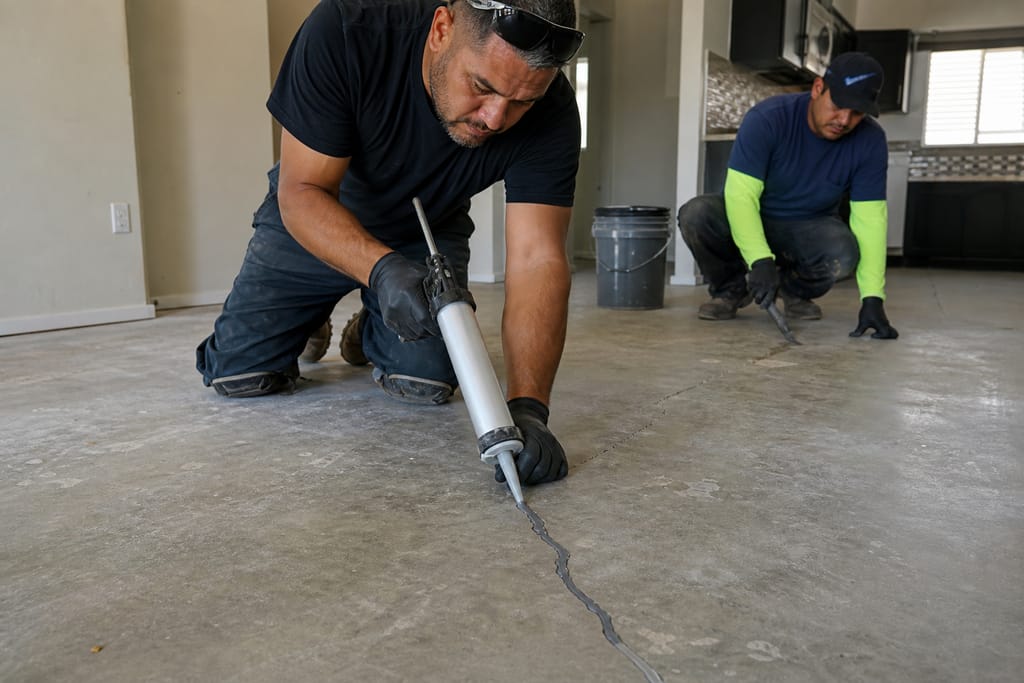
Polyurethane Crack Sealant
A flexible sealant accommodates slab movement without cracking again, which matters on garage floors exposed to full-sun heat gain.
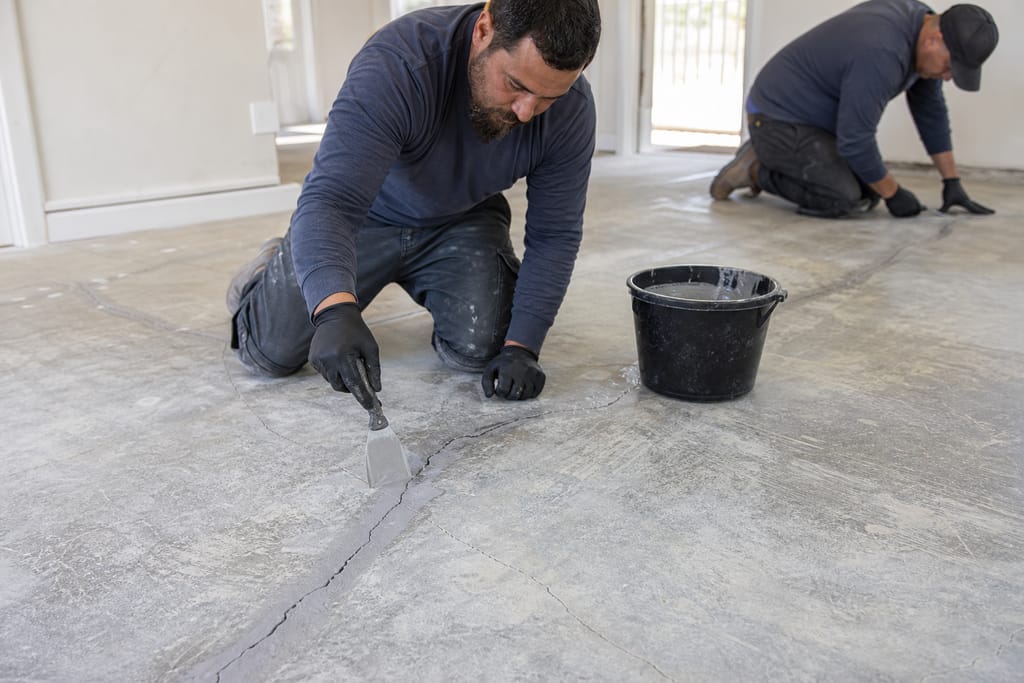
Semi-Rigid Repair Paste
A paste material fills narrow cracks while maintaining some flexibility for moderate temperature shifts.
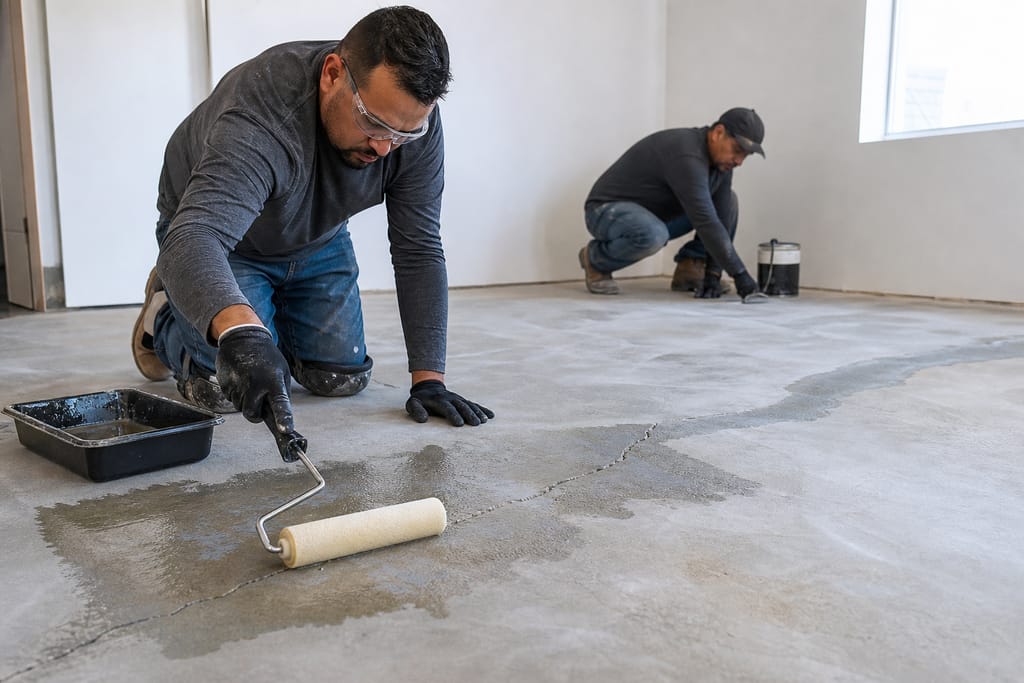
Concrete Bonding Agent
A bonding agent ensures strong adhesion between old and new material, important on older rural slabs with surface dust buildup.
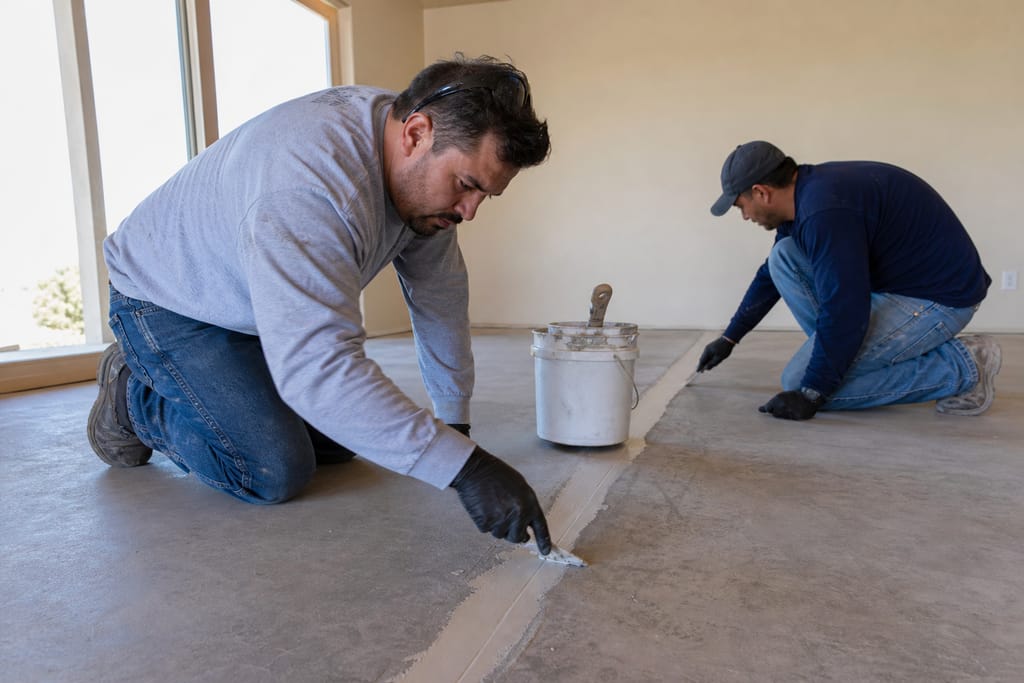
Joint Filler Compound
A compound designed specifically for expansion and control joint repair around patios and driveways.
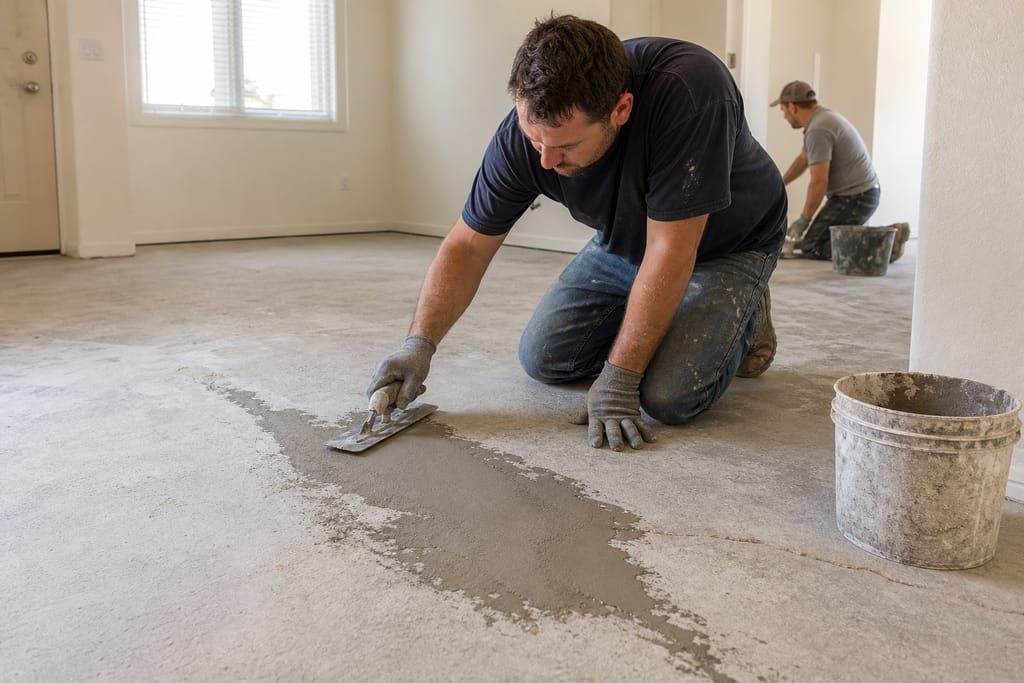
Surface Patch Mix
A patch mix restores surface texture after crack repair so the slab reads even before coating goes down.
Questions on materials?
Get a Free EstimateWhen to call
When to call for Concrete Crack Repair
Call New River Epoxy Pros or request a free estimate and we'll take a look before any coating goes down.
- A crack is spreading or getting noticeably wider between seasons.
- Cracks are reappearing under an existing coating or sealant.
- Water is pooling or seeping through a crack on a patio or garage slab.
- You're planning a coating job and want cracks addressed before the crew shows up.
Seeing warning signs?
Get a Free EstimateBefore & after
Before and after Concrete Crack Repair
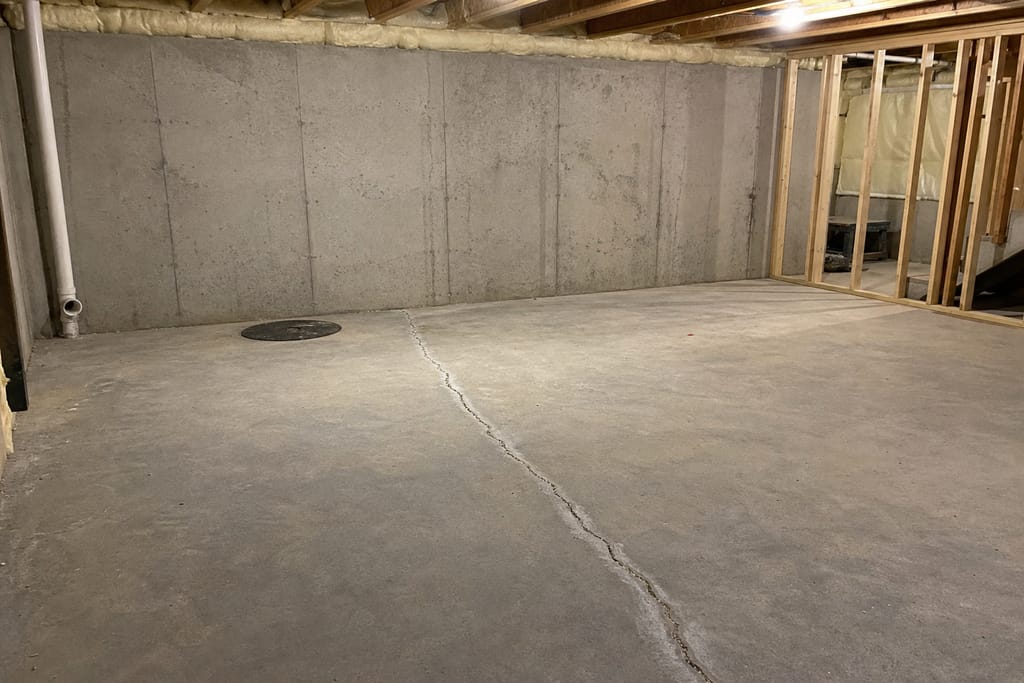
Before 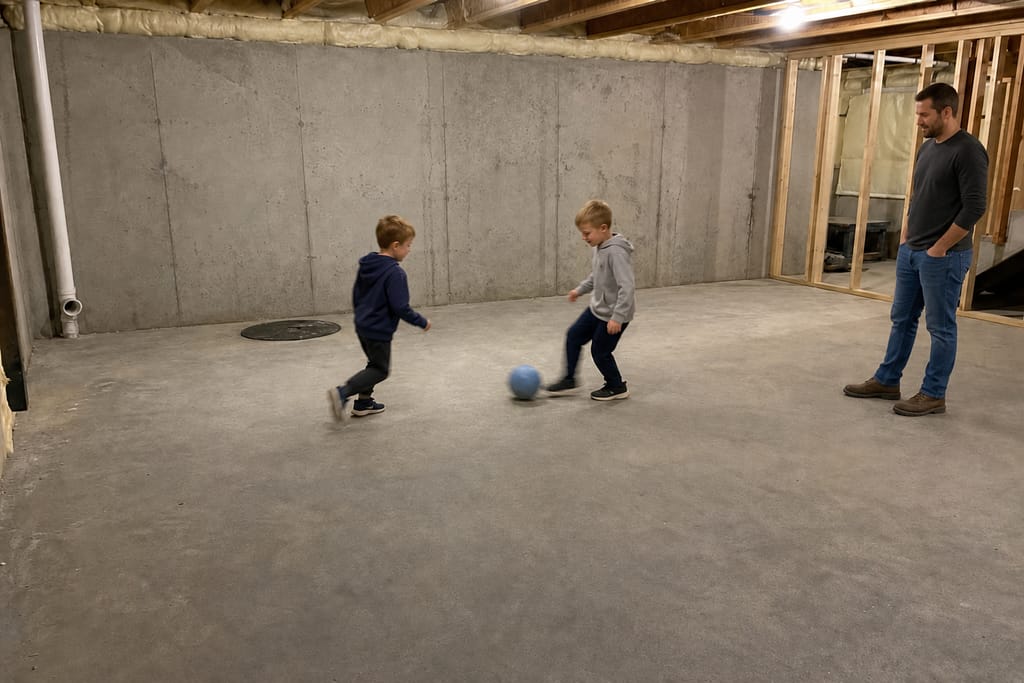
After
Next step
Spreading hairline crack → routed, filled, and leveled surface ready for coating.
Reopened repair under old sealant → properly flexed filler holding through a full season.
FAQs
Concrete Crack Repair FAQs
Can you epoxy a garage floor that already has cracks?
But the cracks need to be routed and filled first. Coating over an unaddressed crack just telegraphs the line through the new finish and gives it a path to reopen.
Why does my concrete keep cracking in the same spot?
Repeated cracking at the same point usually means the original repair material was too rigid for the amount of slab movement happening there, especially in a wide-swing desert climate.
How long does crack repair take before I can coat the floor?
Most crack fillers need to cure before coating starts, which typically adds a day to a project timeline depending on the product and crack depth.
Do I need a permit for concrete crack repair?
Cosmetic crack repair on an existing slab typically doesn't require a permit. If the crack points to a structural issue, that's a separate conversation worth having with a county inspector first.
Is DIY crack filling a good idea before I call a contractor?
Store-bought caulk tubes are a short-term patch at best. If you're planning a coating afterward, a mismatched DIY repair can keep the new system from bonding evenly.
What causes concrete cracks to get worse in Arizona?
Big daily and seasonal temperature swings make concrete expand and contract more here than in milder climates, which stresses any crack that wasn't repaired with a flexible material.
More services
Other Epoxy Flooring services
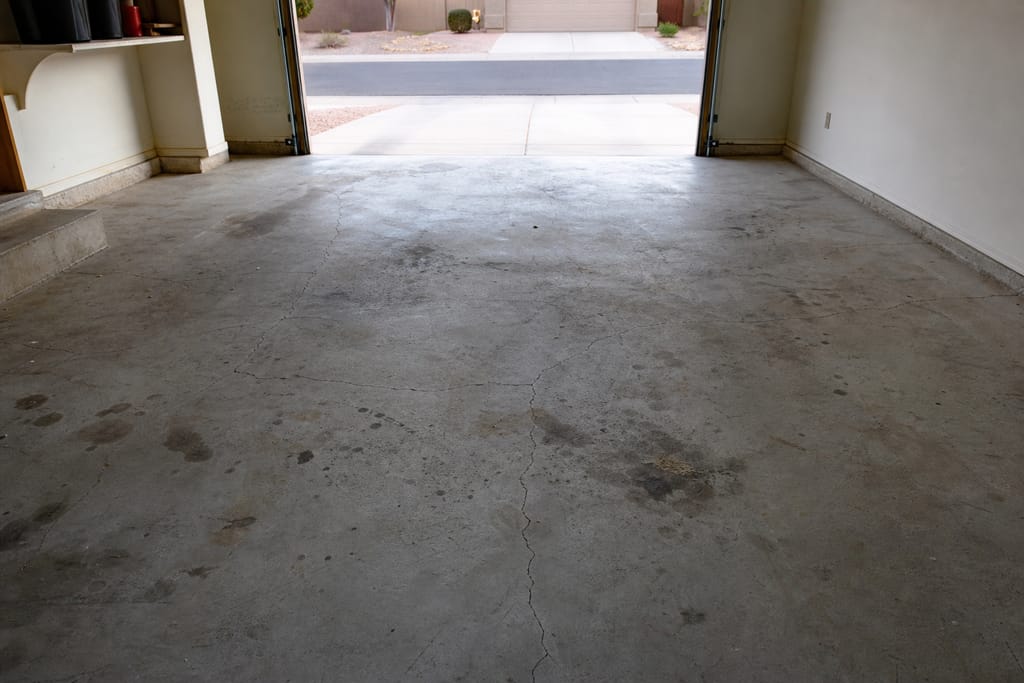
Garage Floor Epoxy Coatings
Garage floor epoxy coatings in New River, AZ built to handle oil, heat, and dust. Free estimates, crack repair included.
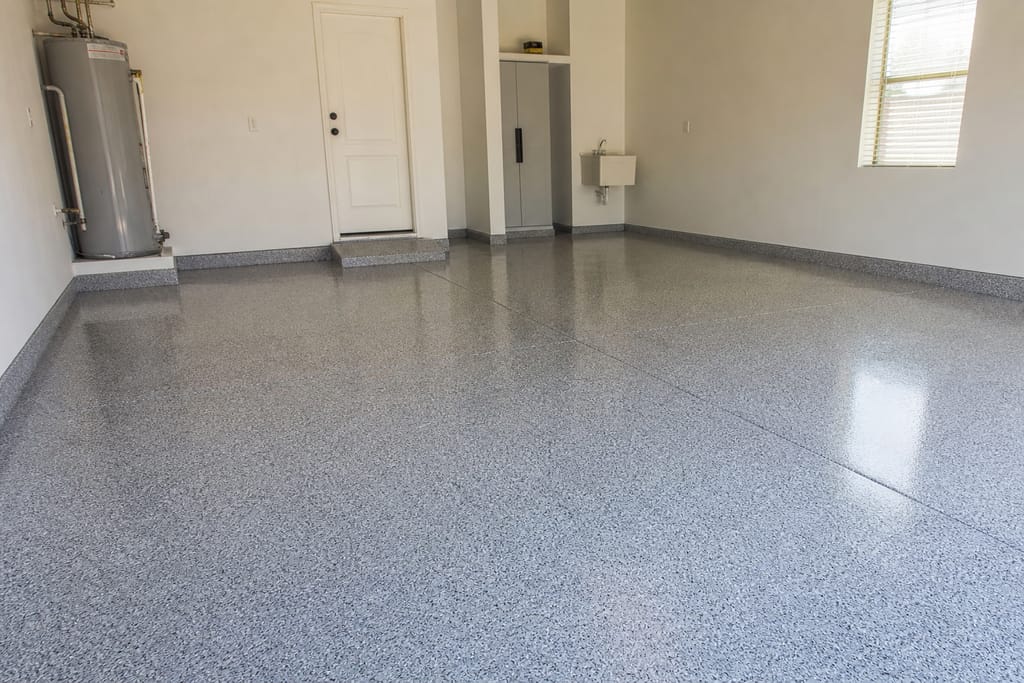
Epoxy Floor Coatings
Epoxy floor coatings in New River, AZ for interior floors, workshops, and small commercial spaces. Durable, smooth finishes. Free estimates.
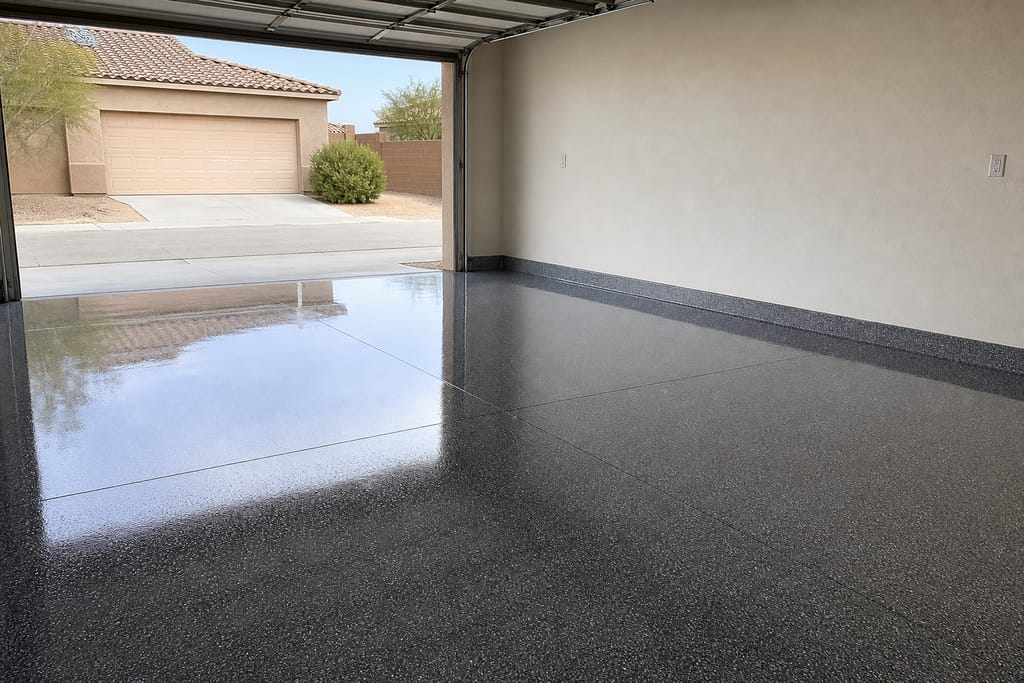
Polyaspartic Floor Coatings
Polyaspartic floor coatings in New River, AZ: fast-cure, UV-stable garage and patio finishes built for desert heat. Free estimates.
Ask about Concrete Crack Repair
Tell us about the project and how to reach you.